



 Shopping
how to manage your warehouse. it is very important for one company.
- Keep it clean. A clean warehouse greatly contributes to warehouse organization. ...
- Reduce clutter and waste.
- Use stackable bins.
- Label all products.
- Use labeling systems. can use some handheld terminal
- Organize for efficiency.
- Organize with your industry in mind.
- Place like items together.
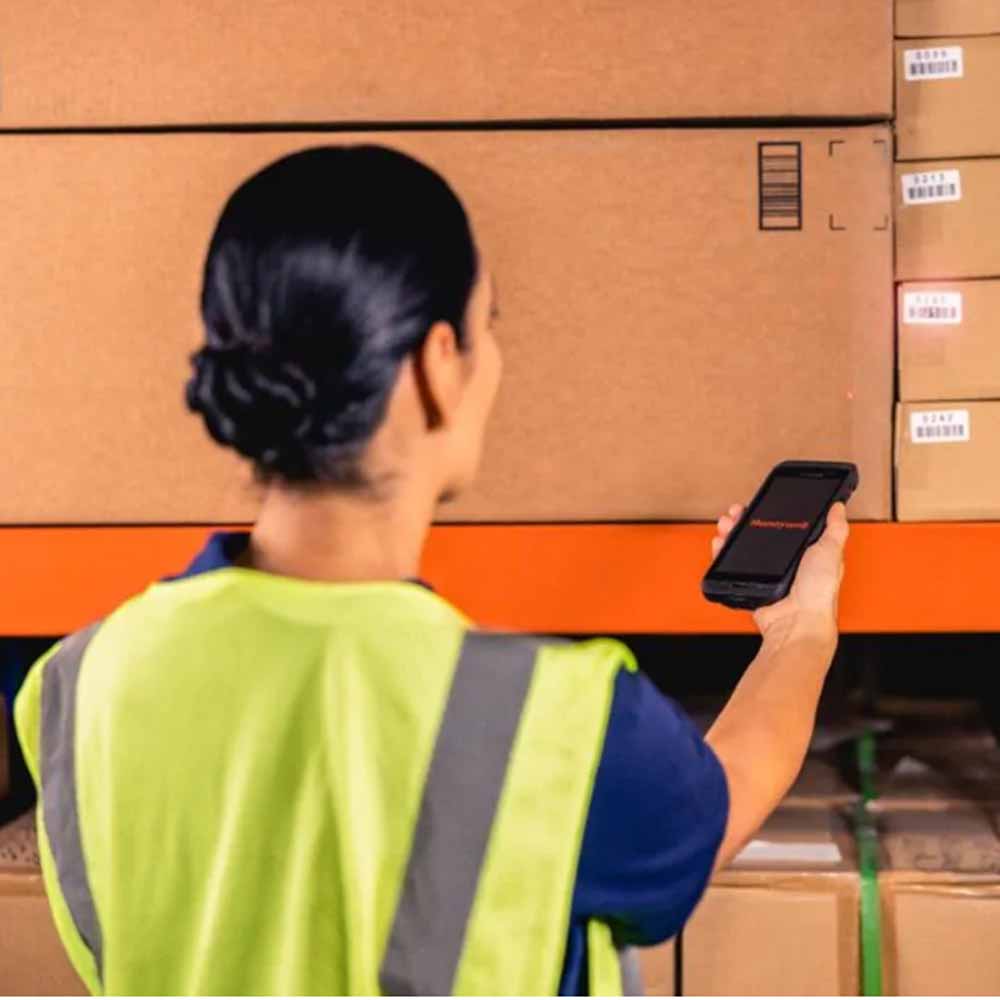
8 key warehouse management processes
So, what exactly happens in an ecommerce business’s warehouse? In order to master your warehouse management, you need to be familiar with the functions, activities, and processes you’re managing.
Here are 8 of the most common operations that take place inside an ecommerce warehouse, which merchants should monitor and manage.
1. Receiving
Before any other activities can take place, a business needs to get inventory into its warehouse.
In receiving, warehouse staff receive inventory or freight from trucks at loading docks, and count the units to ensure they’ve been sent the correct amount. They will also inspect the condition of the goods, and document that the inventory has been received.
2. Put-away
Once inventory has been received, it needs to go somewhere. Warehouse putaway is the process of transporting inventory from the receiving area to the correct storage area.
There are several different approaches to warehouse putaway, so you may need to experiment before finding the best putaway method for your business.
Ultimately, you’ll want to choose a putaway strategy that makes sense based on the type, volume, and variety of inventory you have, as well as your available space and inventory storage options.
3. Inventory storage
You will almost always need to store inventory within your warehouse for at least a little while before orders come in. Inventory storage is one of the most strategic decisions you can make in your warehousing, and should work for your business, not against it.
Typically, ecommerce businesses will store inventory on warehouse racks in pallets or bins, so that each SKU has a dedicated location.
4. Picking
As soon as an order is confirmed and processed, it’s time to pick inventory from shelves.
Depending on the technology and automation you employ in your warehouse, you can either create or generate pick lists for each picker to retrieve items in the most efficient way. This may include zone picking, wave picking, or batch picking.
For each new order, the picker will receive a packing slip of the items ordered and storage locations at the warehouse. The picker will collect the ordered products from their respective locations.
5. Packing
Once an order is picked, it is handed off to a packer, who is responsible for packing it. This means securely placing the items in a box or poly mailer, adding in any needed packing materials, and putting a shipping label on it.
6. Shipping
Based on the delivery options and shipping services you offer to customers, shipping carriers like DHL, USPS, FedEx, and UPS will pick up orders from the warehouse to ship packages to their next destination.
Once the order ships, your warehouse management system should be able to automatically send ecommerce order tracking information back to your store so your customers can track their shipments.
7. Slotting
Some warehouse functions are not part of the supply chain, but still impact its efficiency and performance.
Slotting — the process of organizing a warehouse to maximize space and efficiency — is one of these functions. By carefully planning your warehouse layout and inventory storage strategy, you can reduce picking errors, unlock more storage space, and even reduce operating costs.
8. Reporting
A warehouse management system should provide out-of-the-box operational and inventory reports across the warehouse. This may include accuracy in fulfilling orders (total mispicks, mis-packs, etc.), total orders fulfilled by the hour to measure the efficiency of staff, orders shipped on time, and much more.
There are also reports relating to people’s operations, including inventory forecasting to understand labor management and staffing needs. With a warehouse management tracking system, you can quickly find out which employees have completed safety training, those who have licenses and certifications to operate certain equipment, and other regulatory requirements you must meet to operate a safe warehouse.